雍和宫 (yonghegong) Temple
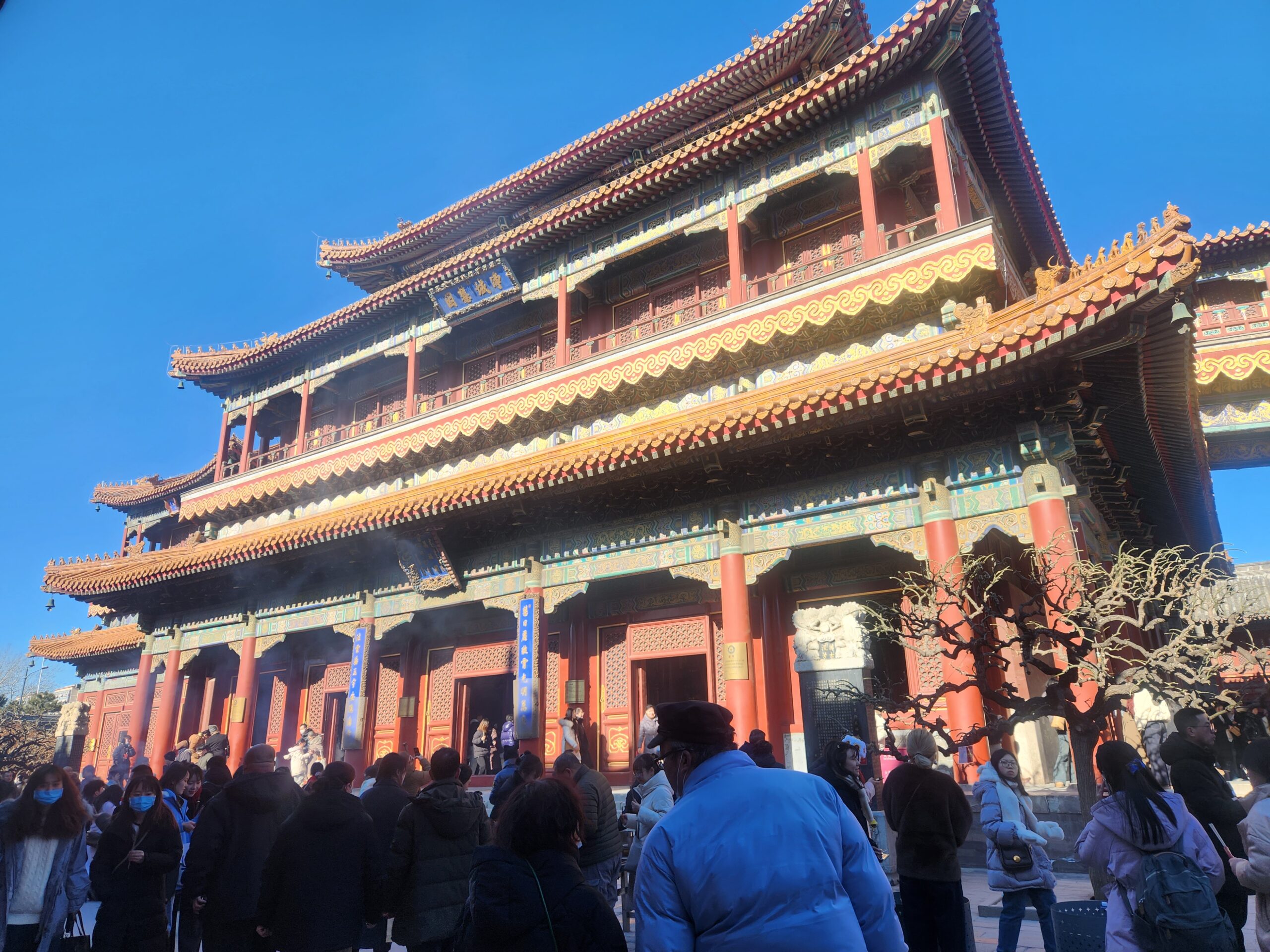
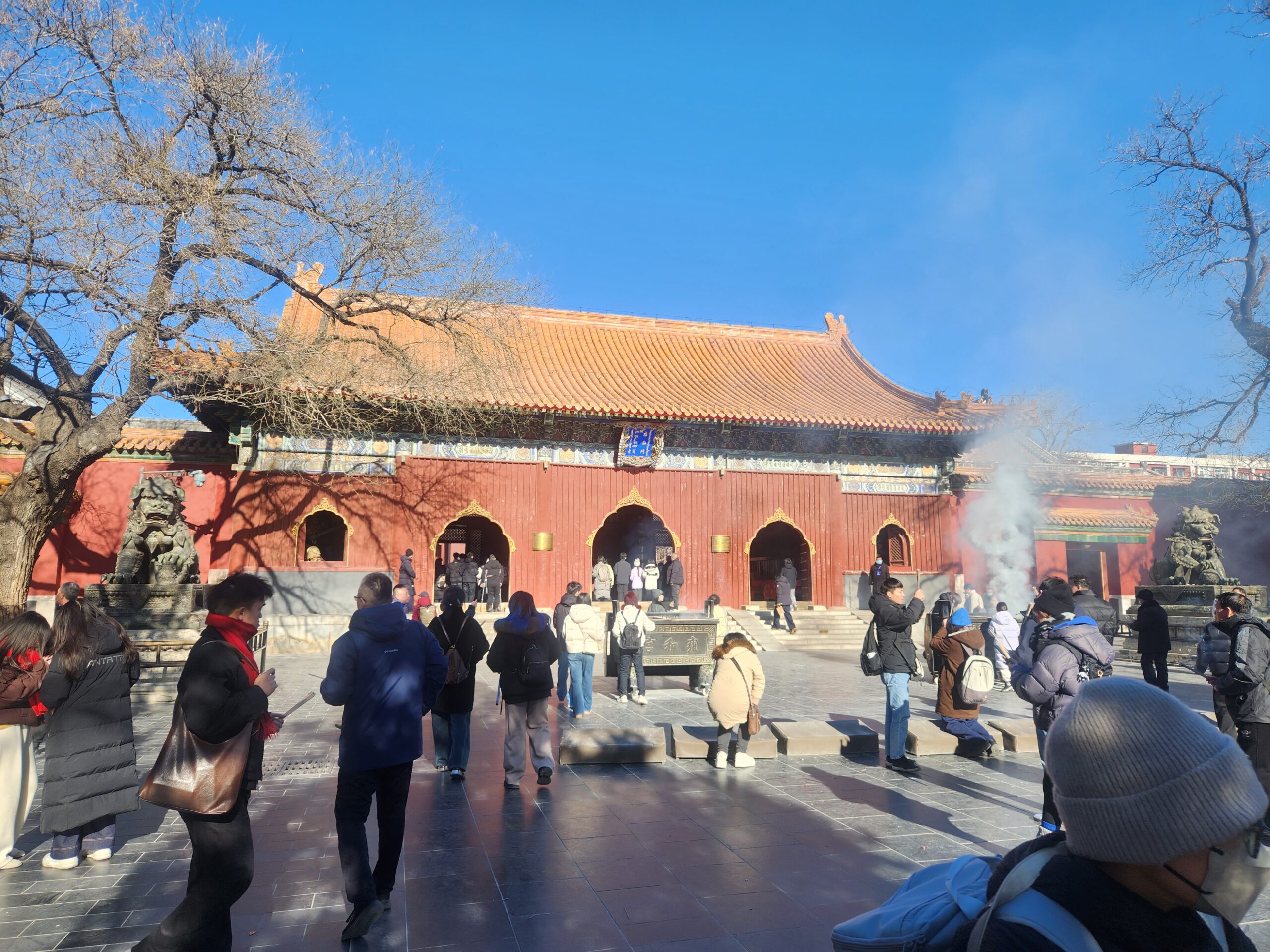
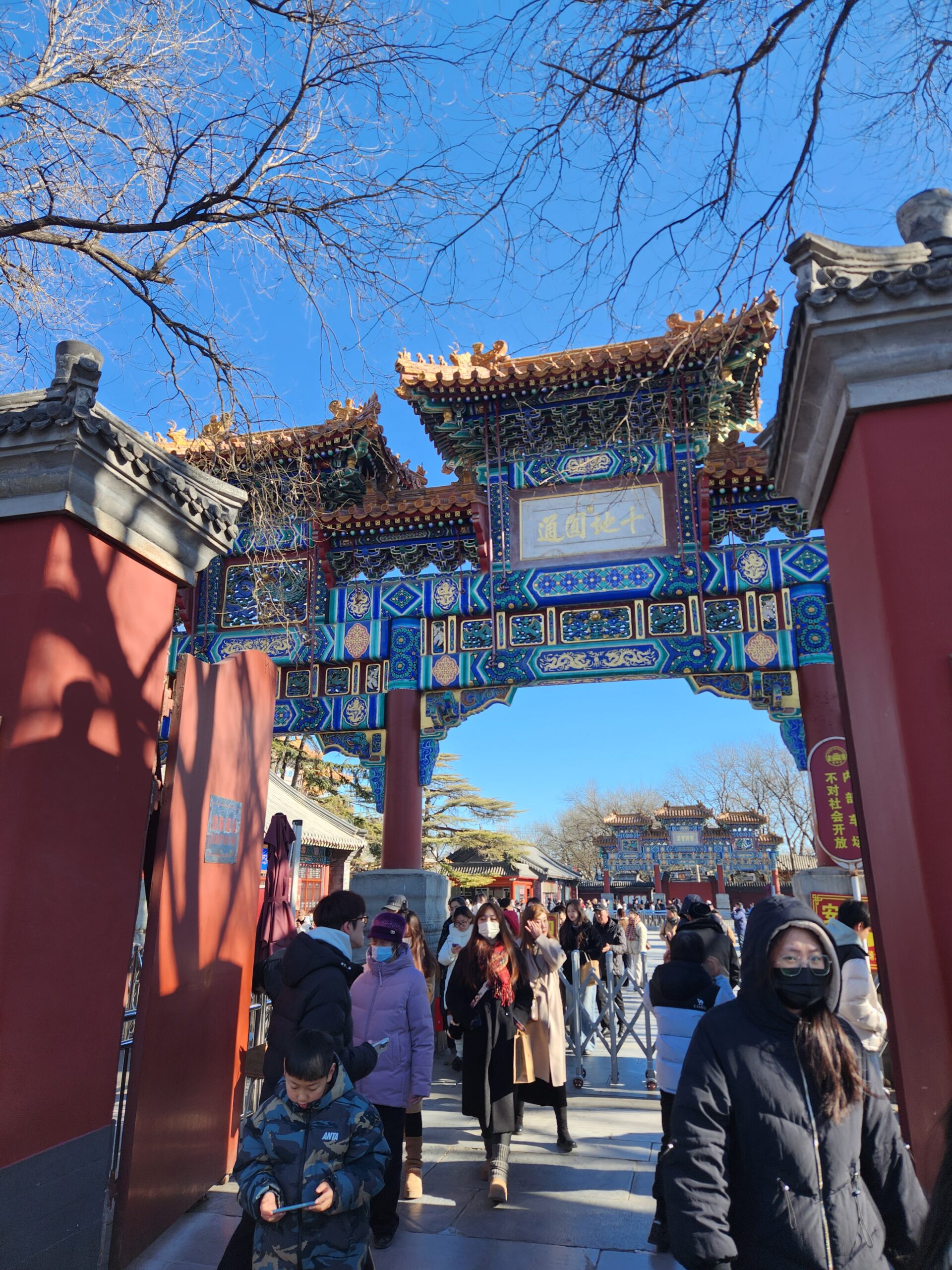
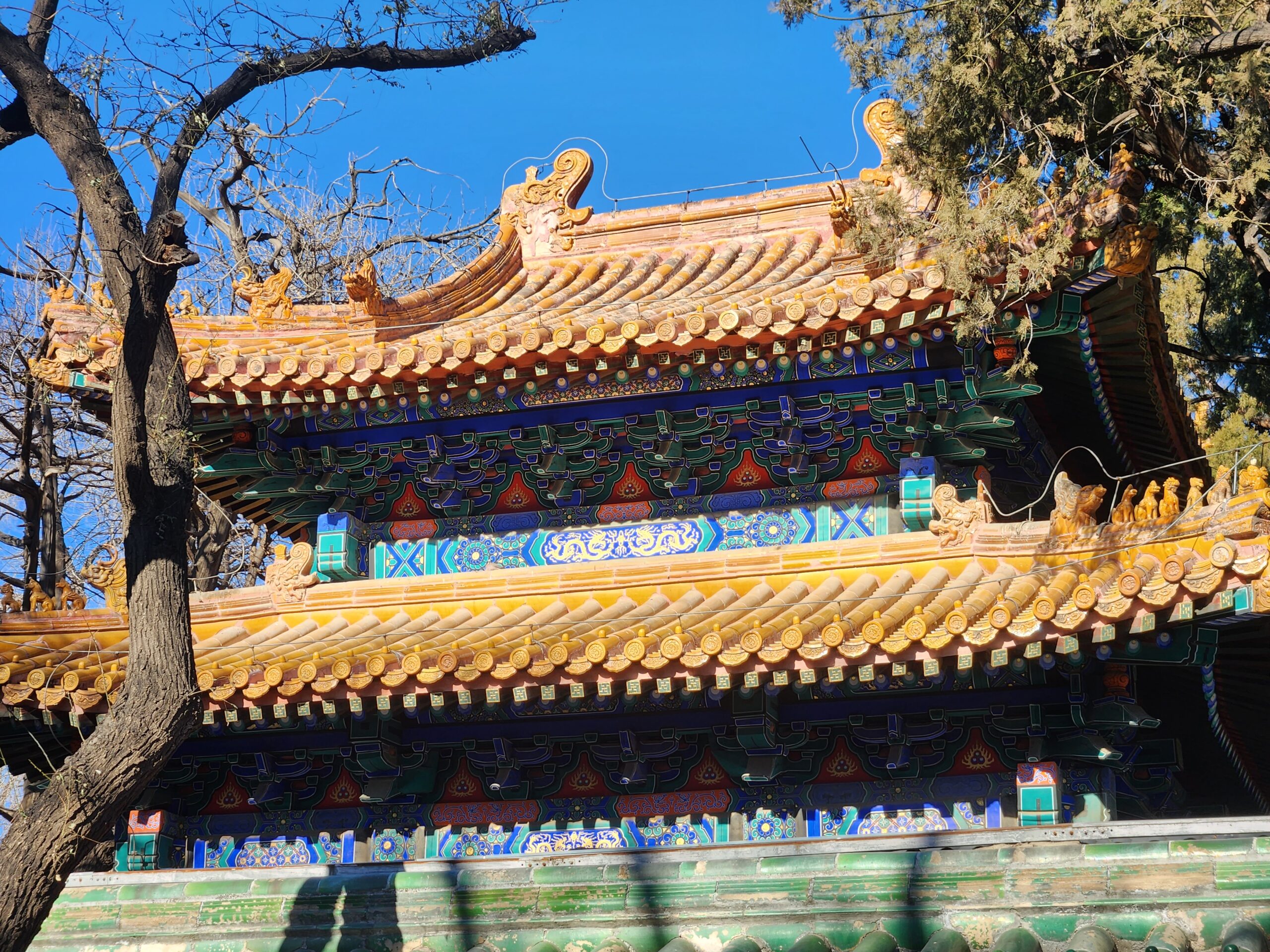
After breakfast, we caught a taxi to the 雍和宫 Temple to have a look around and originally planned to make some wishes. The temple was interesting featuring the typical Beijing red coloured paint. We felt it may be inappropriate to perform the ritual of burning the incense to make a wish given our ignorance towards the Buddhist religion, so we decided to keep our wishes to ourselves (I was getting enough stares without participating). It was interesting to watch others participate with enthusiasm.
Hutongs and old Beijing City Centre
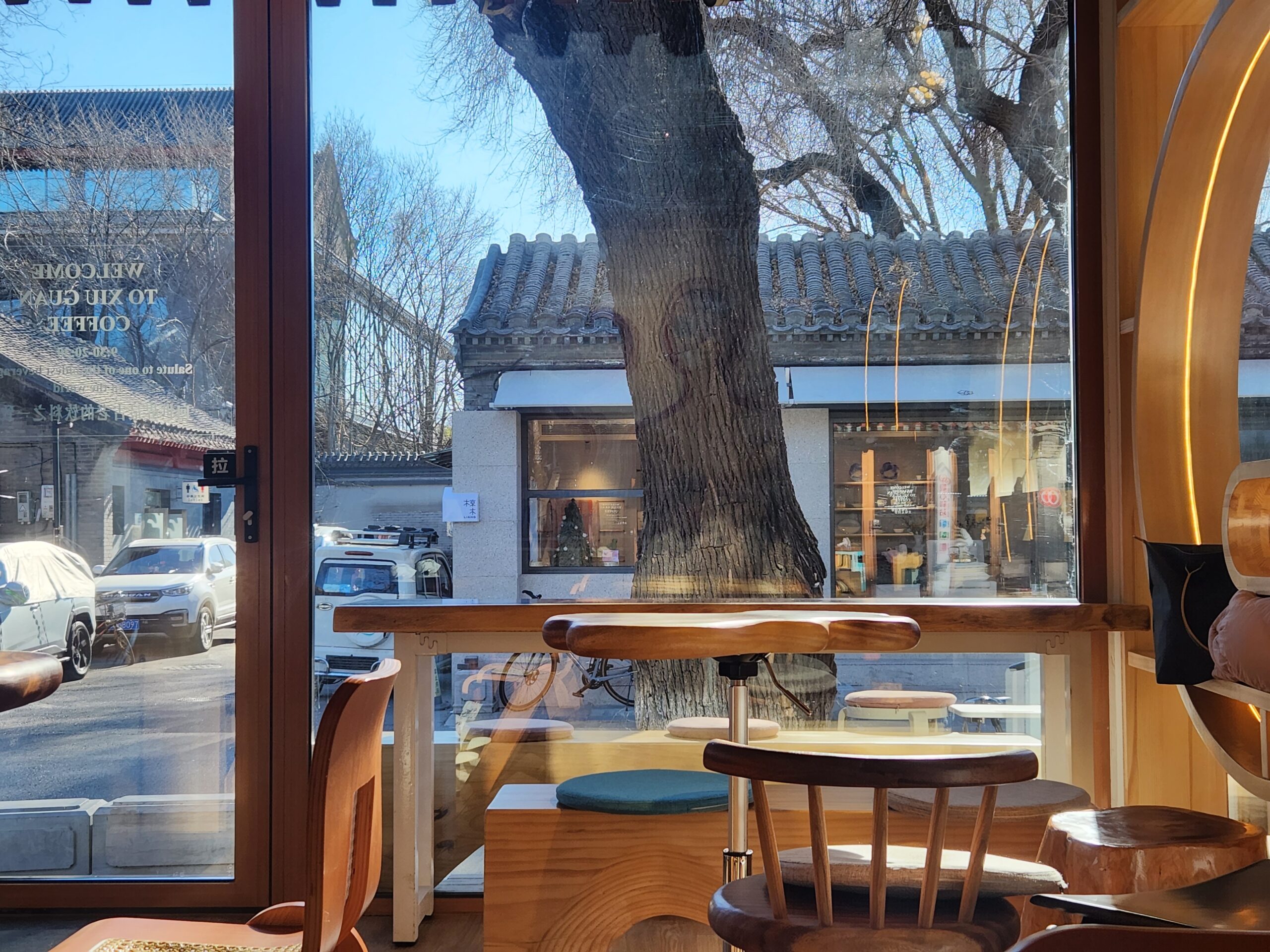
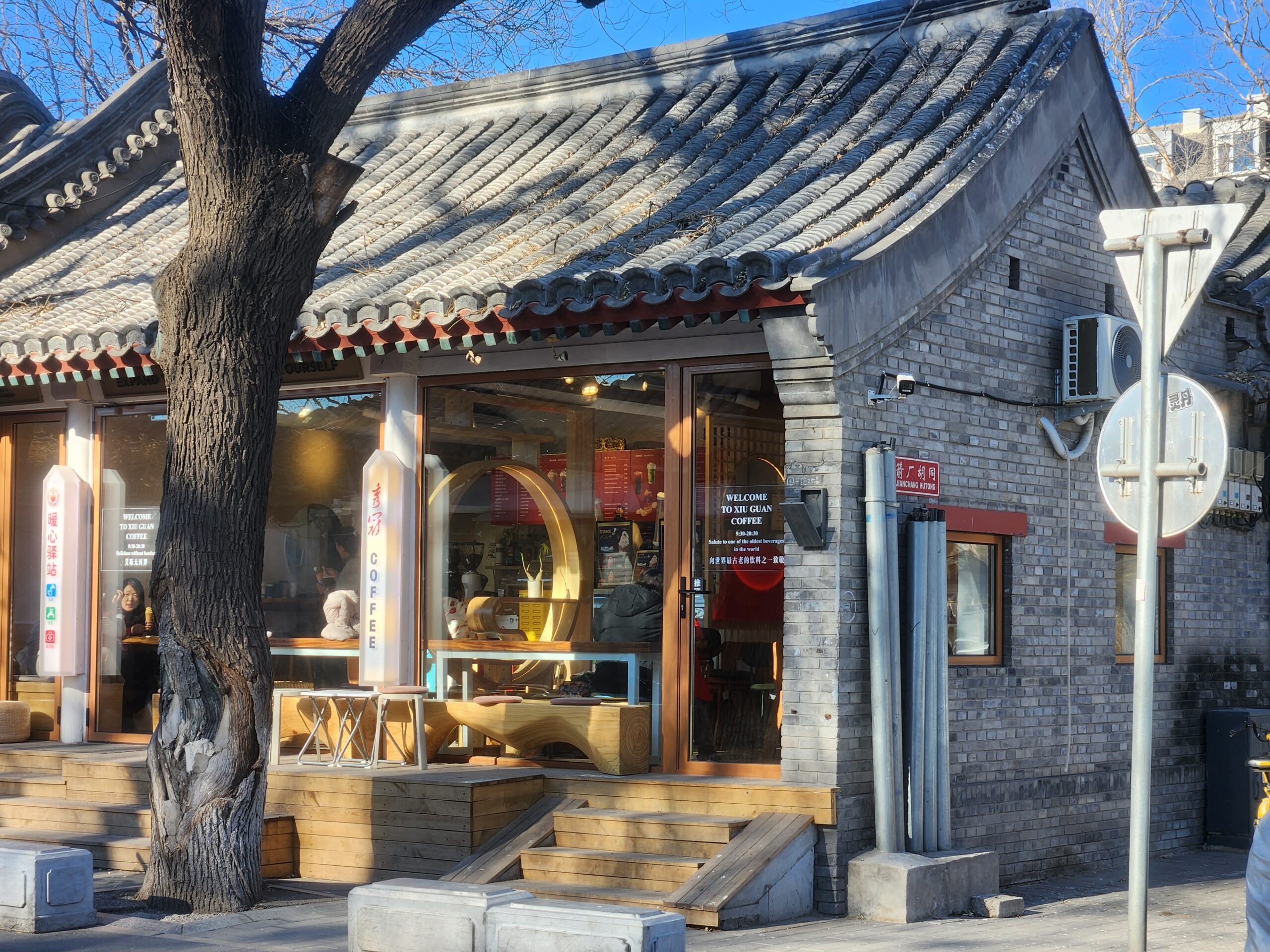
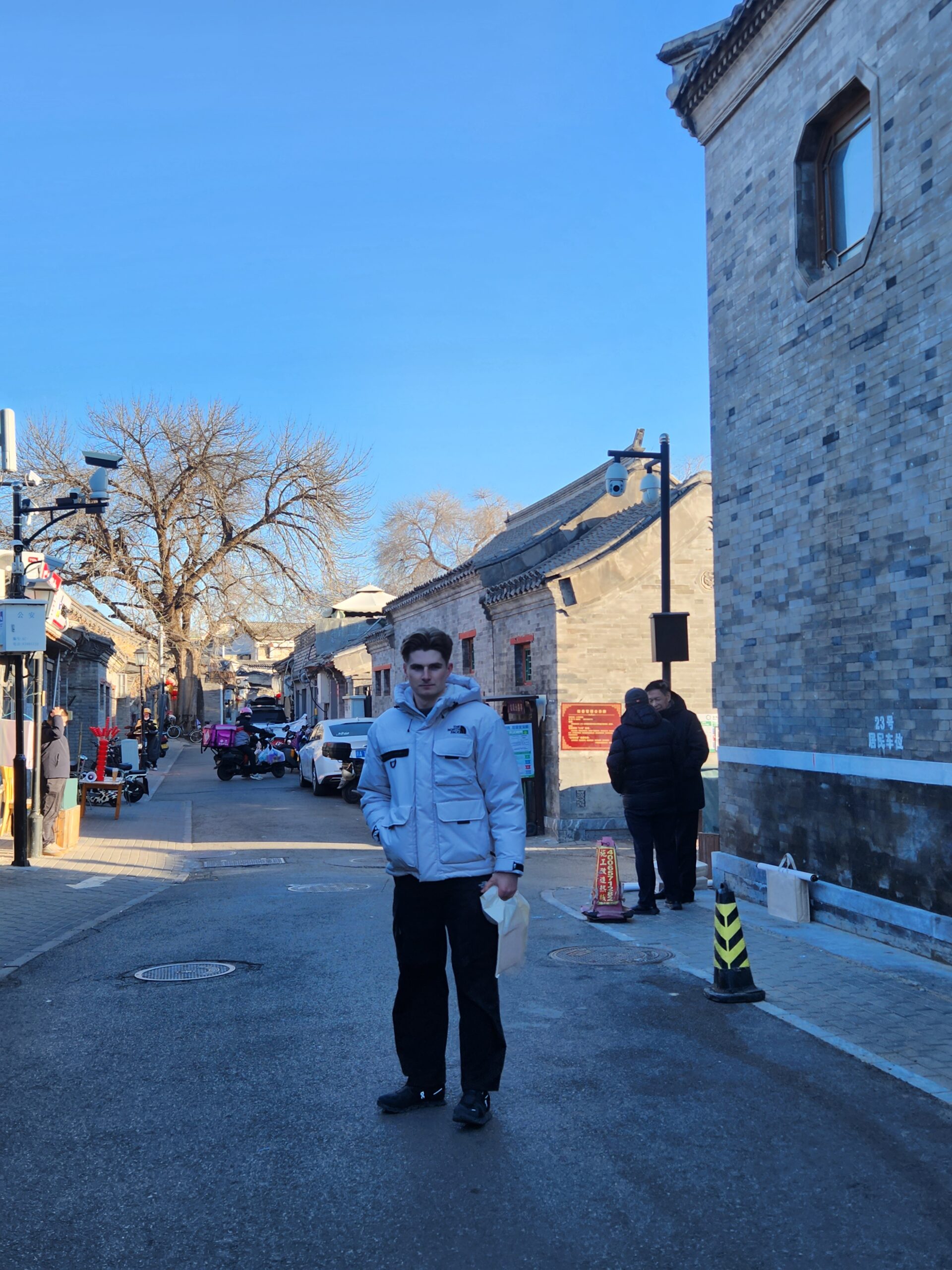
After leaving the temple we walked towards the areas where the old Beijing City Centre was, which is where the famous Hutongs (胡同) can be found. We stopped at a café along the way where there was quite a friendly Chinese man working. I discovered here that I had finally perfected my coffee order in Chinese successfully ordering two hot café lattes for Angie and me (您好,我要来两杯热拿铁). Finally, now that I can order the type of coffee I want, I feel that I can fend for myself in China. Angie and I sat for a while having a nice conversation, relaxing enjoying our coffees, and watching others walk past the café outside.
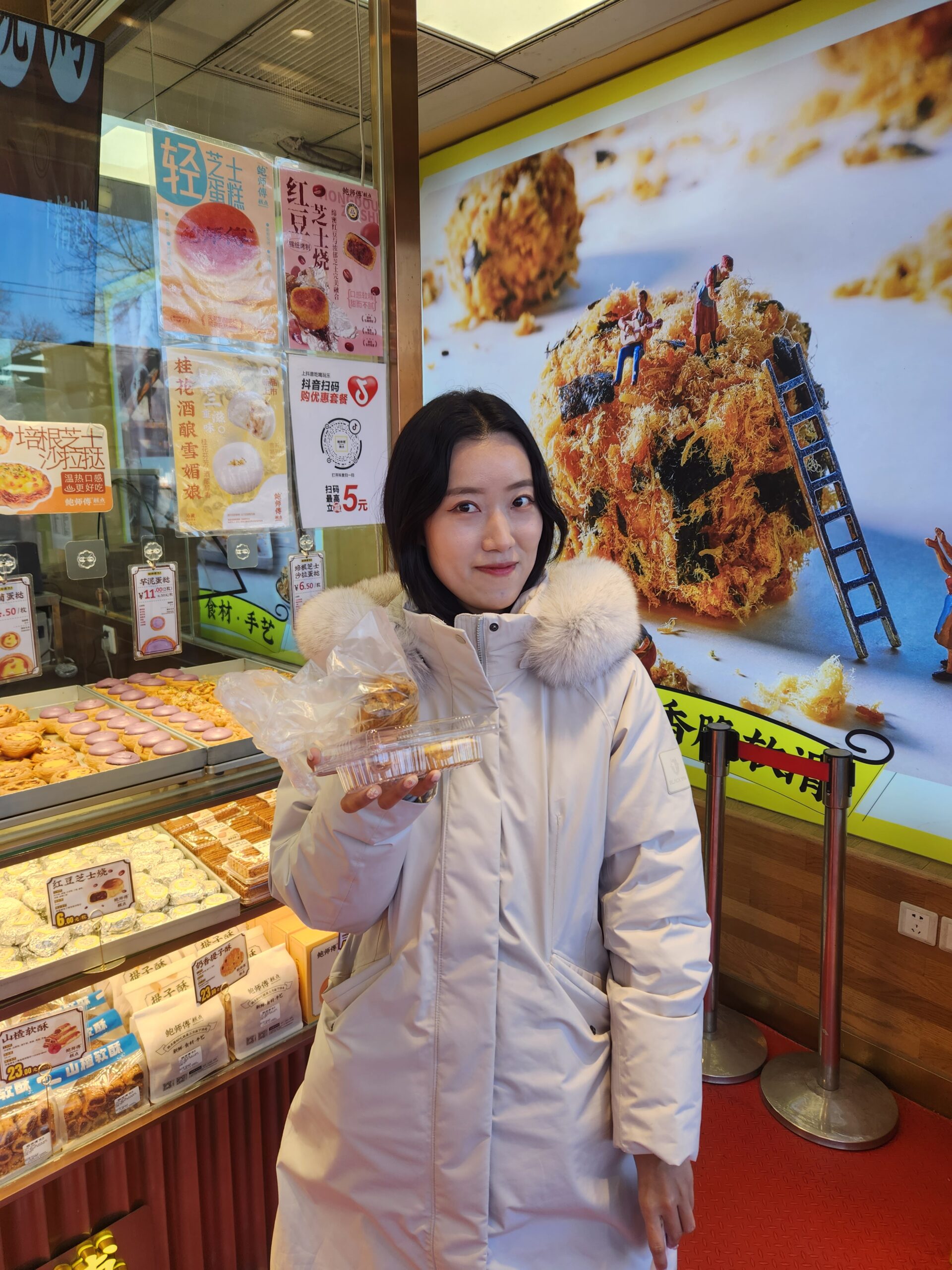
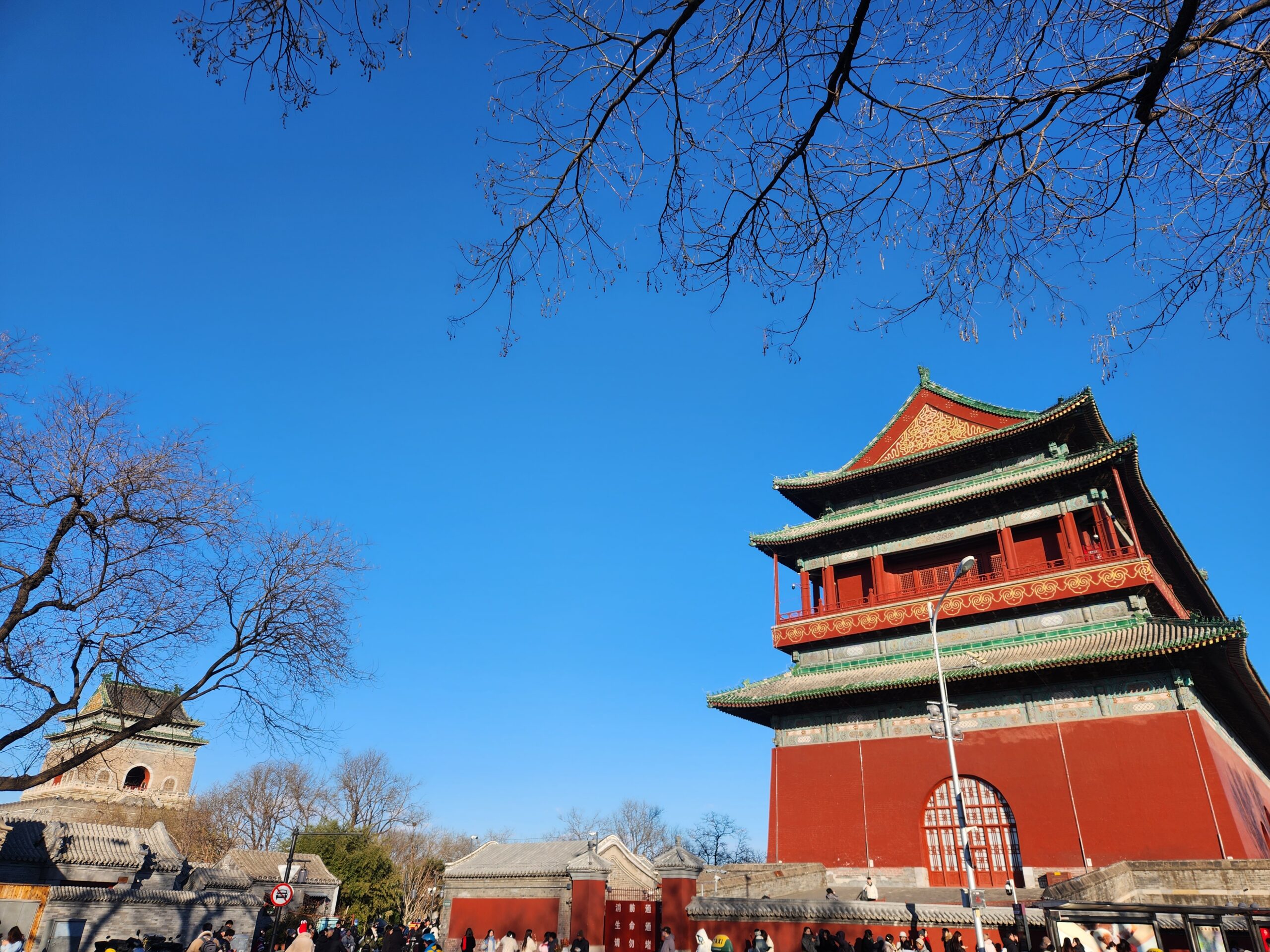
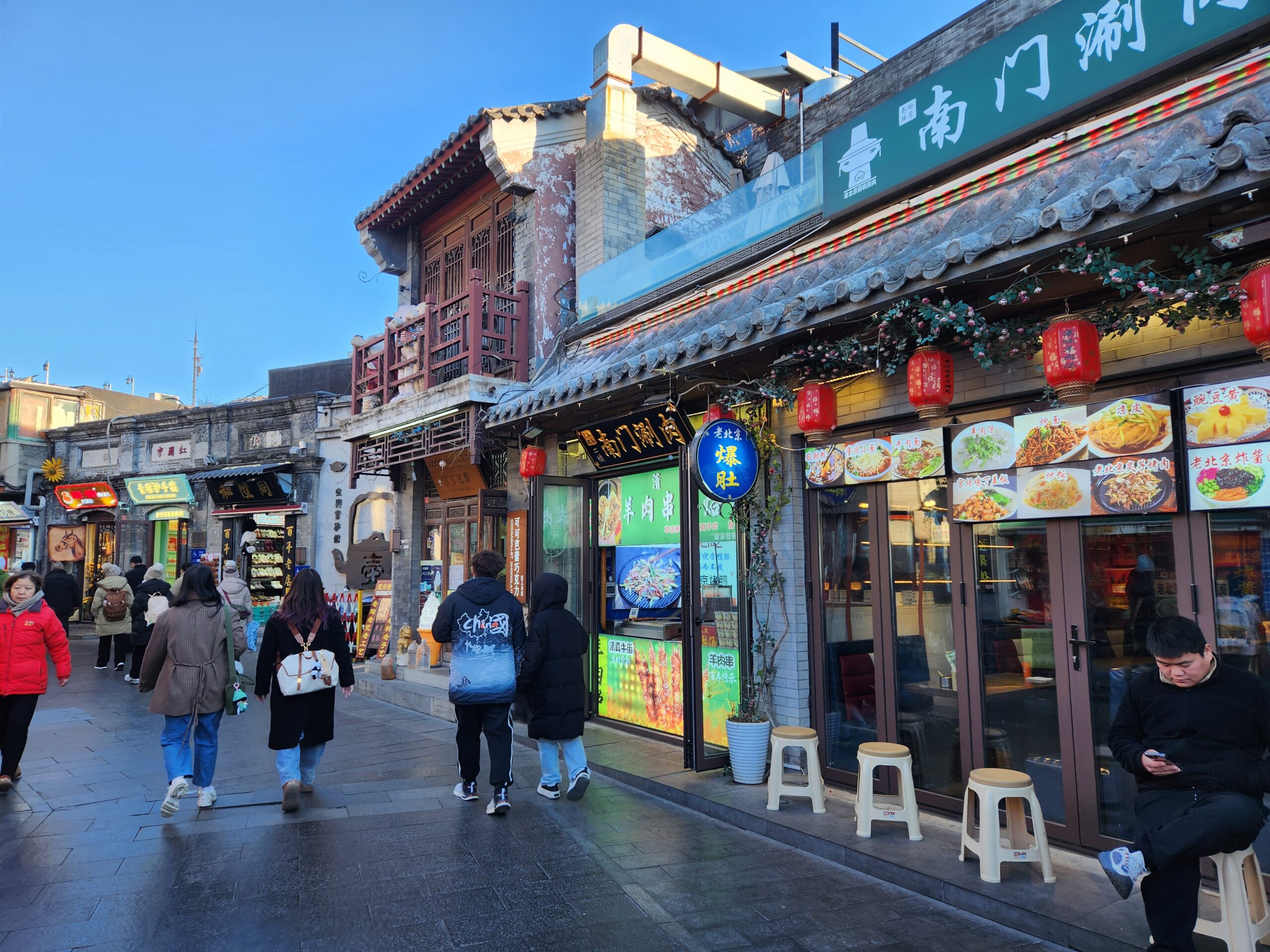
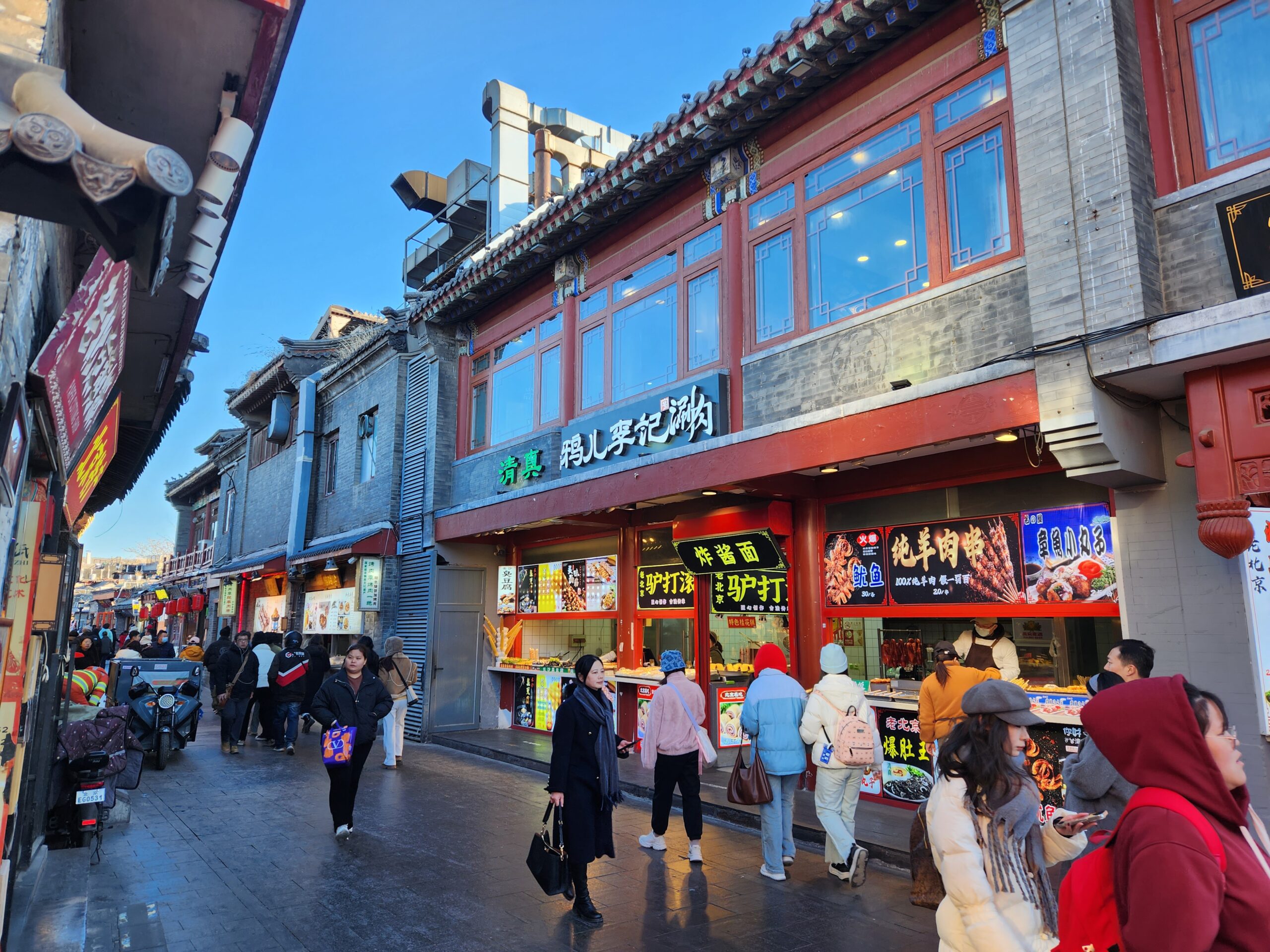
After finishing our coffee we proceeded to walk through many of the Hutongs, looking at shops selling pottery, handmade souvenirs, and many different kinds of foods. Angie and I purchased some pastries from one of the shops which I ordered for us in Chinese. I am starting to feel that my confidence in talking to strangers in Chinese is improving. After eating these pastries, we continued to walk around the Hutongs and other temples in this area which was previously the Beijing City Centre.


Shichahai (什刹海)
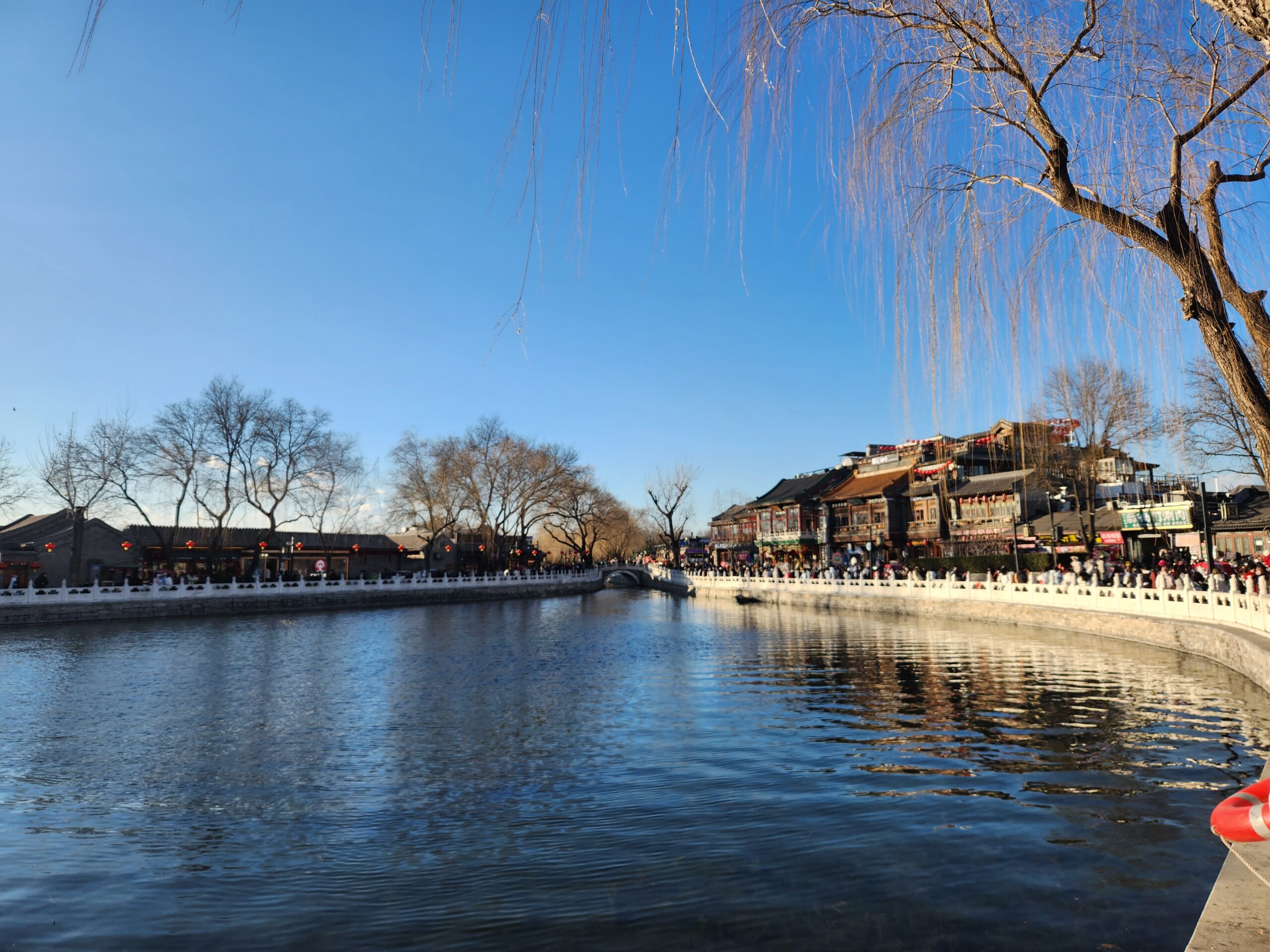
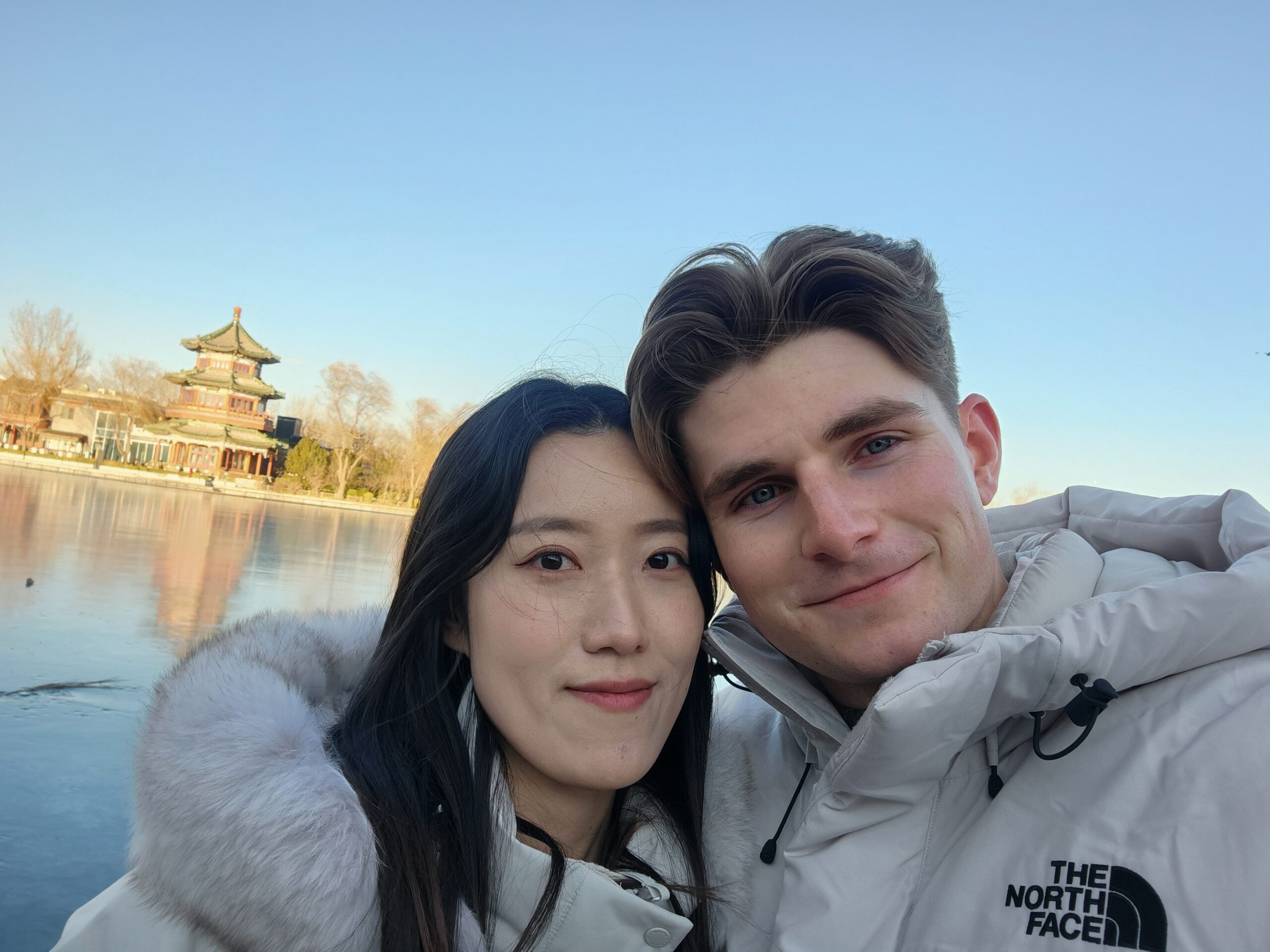
Next, we walk to a lake called Shichahai. This area was picturesque with hutongs up to the riverside and the Beijing metropolitan area visible in the distance. Angie told me that some Beijing uncles often swim in this river. At first, I didn’t believe it, as the lake was mostly frozen, however, after walking around for a while, we saw some very brave uncles wearing their budgie smugglers jumping into the smaller nonfrozen part of the river for a swim. Angie told me that when the ice gets thick enough, people can go ice skating on the river. We could see this area being prepared with the officials walking on the ice, but unfortunately, it was not yet ready for the public to walk on.


Birthday Dinner with Angie’s Family
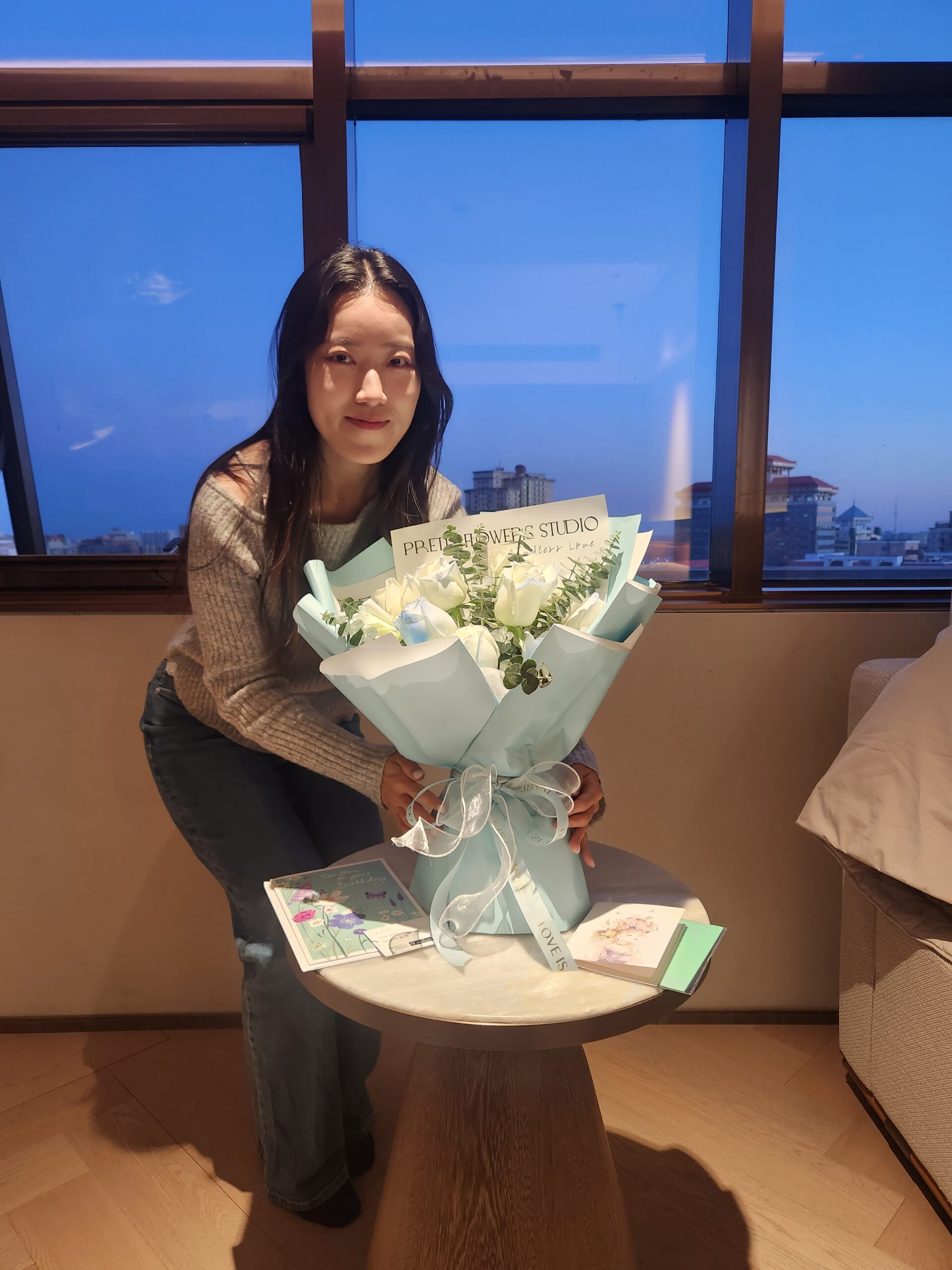
After walking around the river, we caught a taxi back to my hotel so I could give Angie some flowers I had delivered to my hotel, a feat requiring me to navigate Chinese websites and engage in a phone call with the Chinese delivery worker. The phone call admittedly was a little difficult and I ended up asking them to add me on WeChat so we could text there, and I could use the translation feature if I experienced communication difficulty.
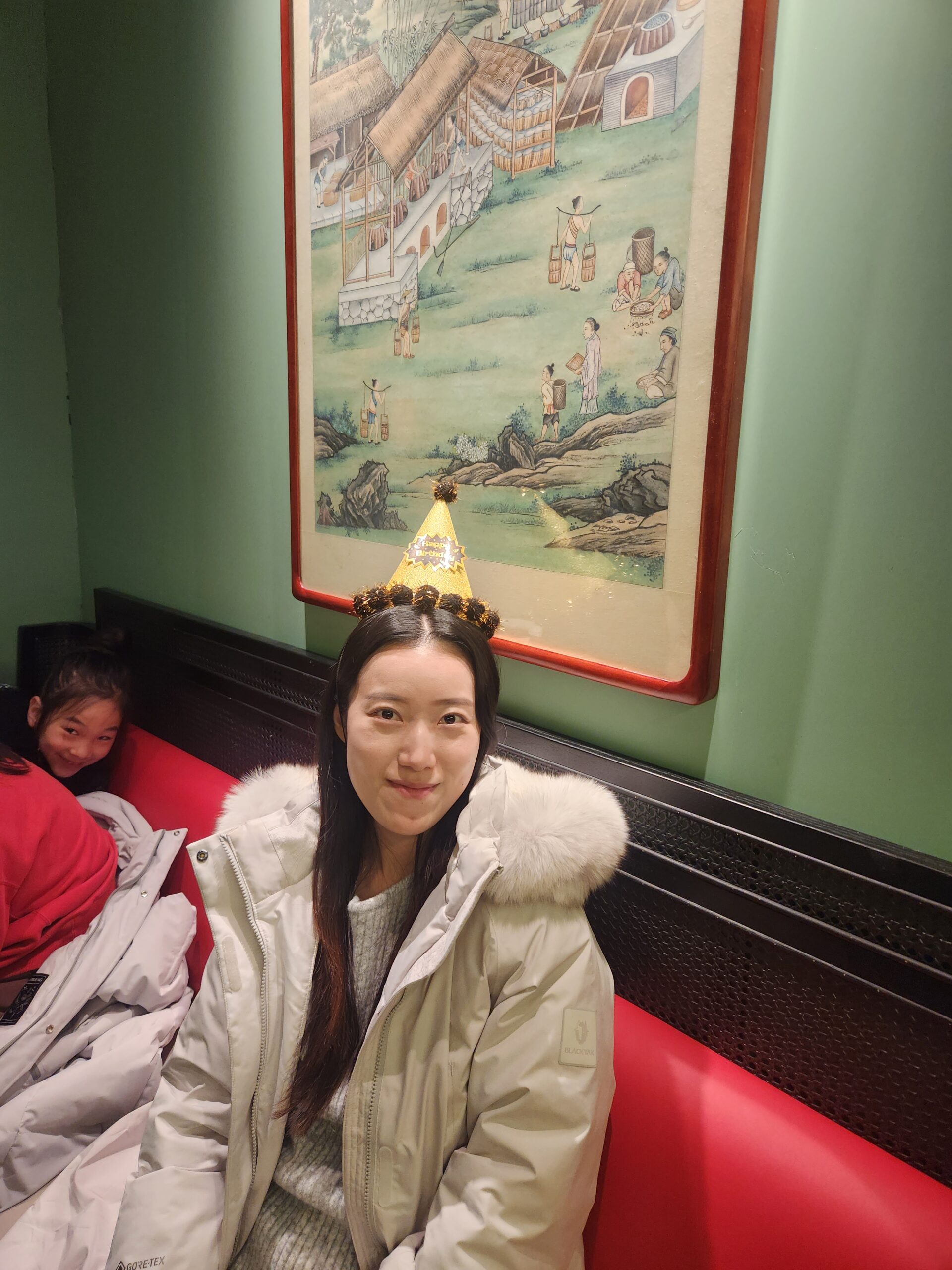
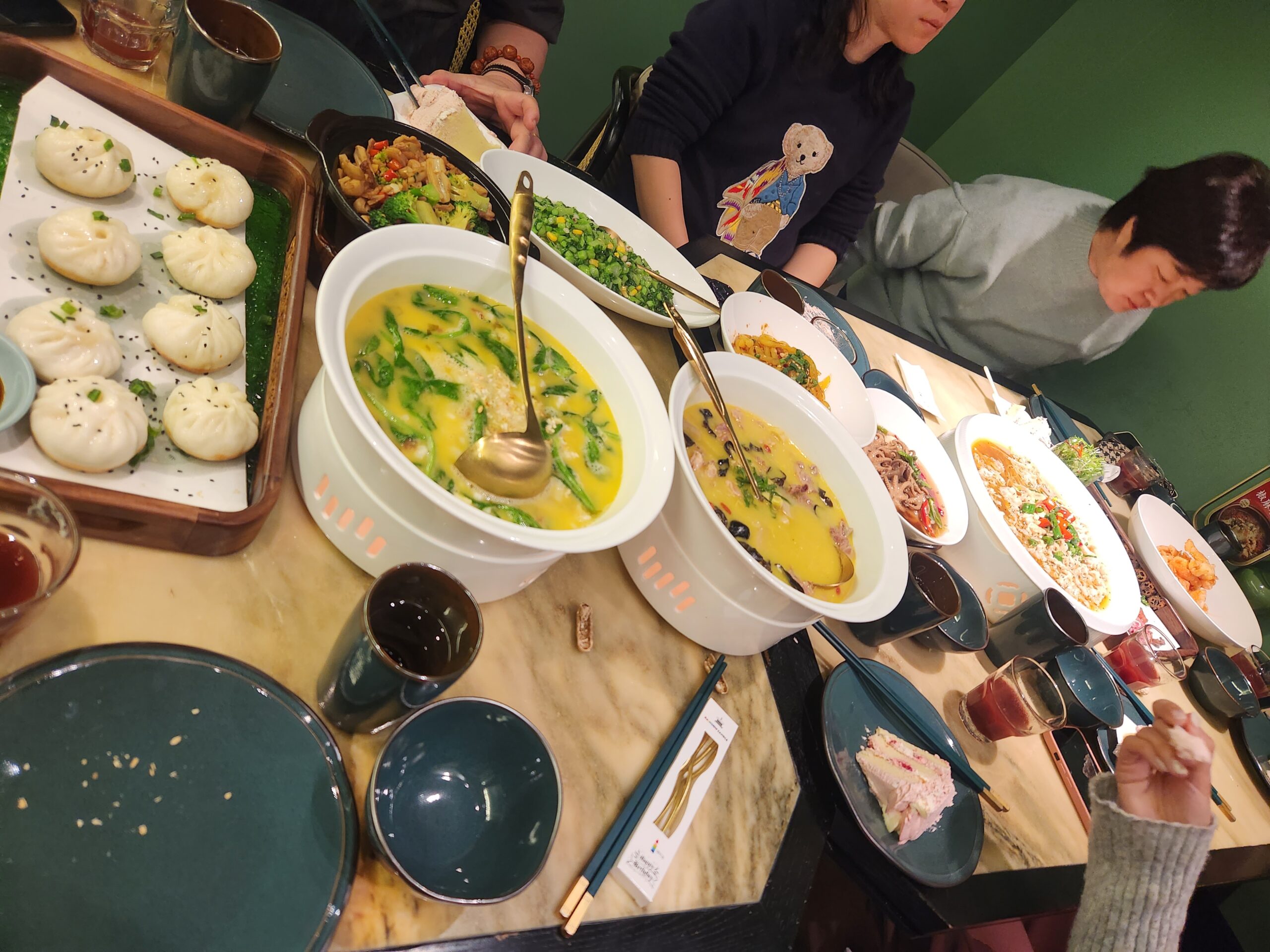
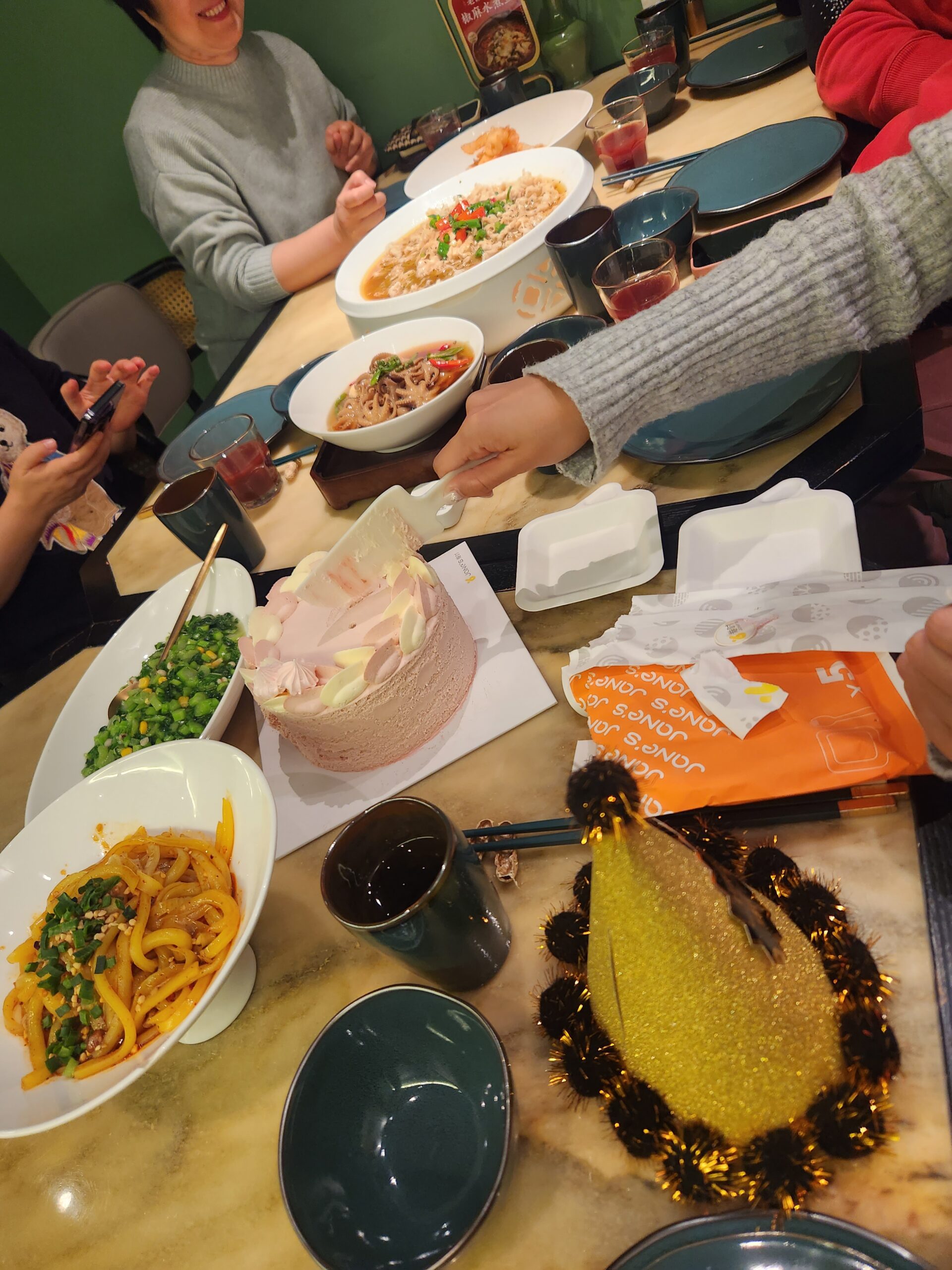
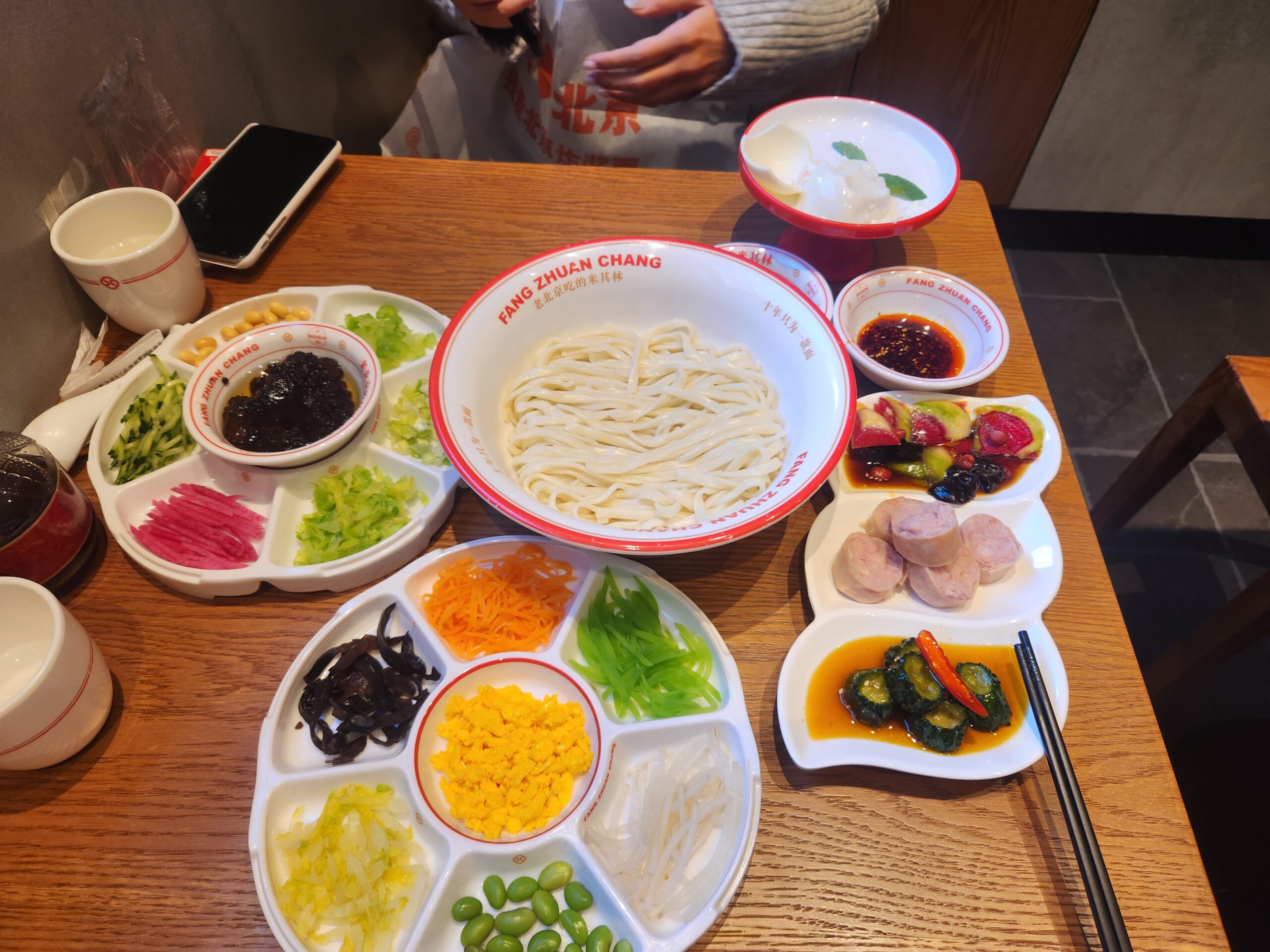
Angie’s parents picked us up and took us to the same mall we visited when we first arrived in Beijing for a family dinner to celebrate Angie’s birthday. We went to a Sichuan-styled restaurant this time which was delicious. I again experienced a cultural difference that I have come across before which is that some Chinese people do not necessarily save dessert until after the main meal, rather mixing it with the other courses. In this case, we had birthday cake, singing Happy Birthday in Chinese, before the meal. I was also able to have some Baijiu with Angie’s father as well. I have learned also that when clinking glasses in Chinese culture, you should try to lower your glass to be slightly below the glass of the other person if they are older than you to show respect. Another thing I learned is that during birthdays, people often eat noodles since the long noodles represent hope for a long life. Knowing it was Angie’s birthday, after the meal the waiter brought out a special noodle soup for her birthday. During dinner, I was mostly able to follow and sometimes participate in the conversations with Angie’s immediate family, auntie and cousins.
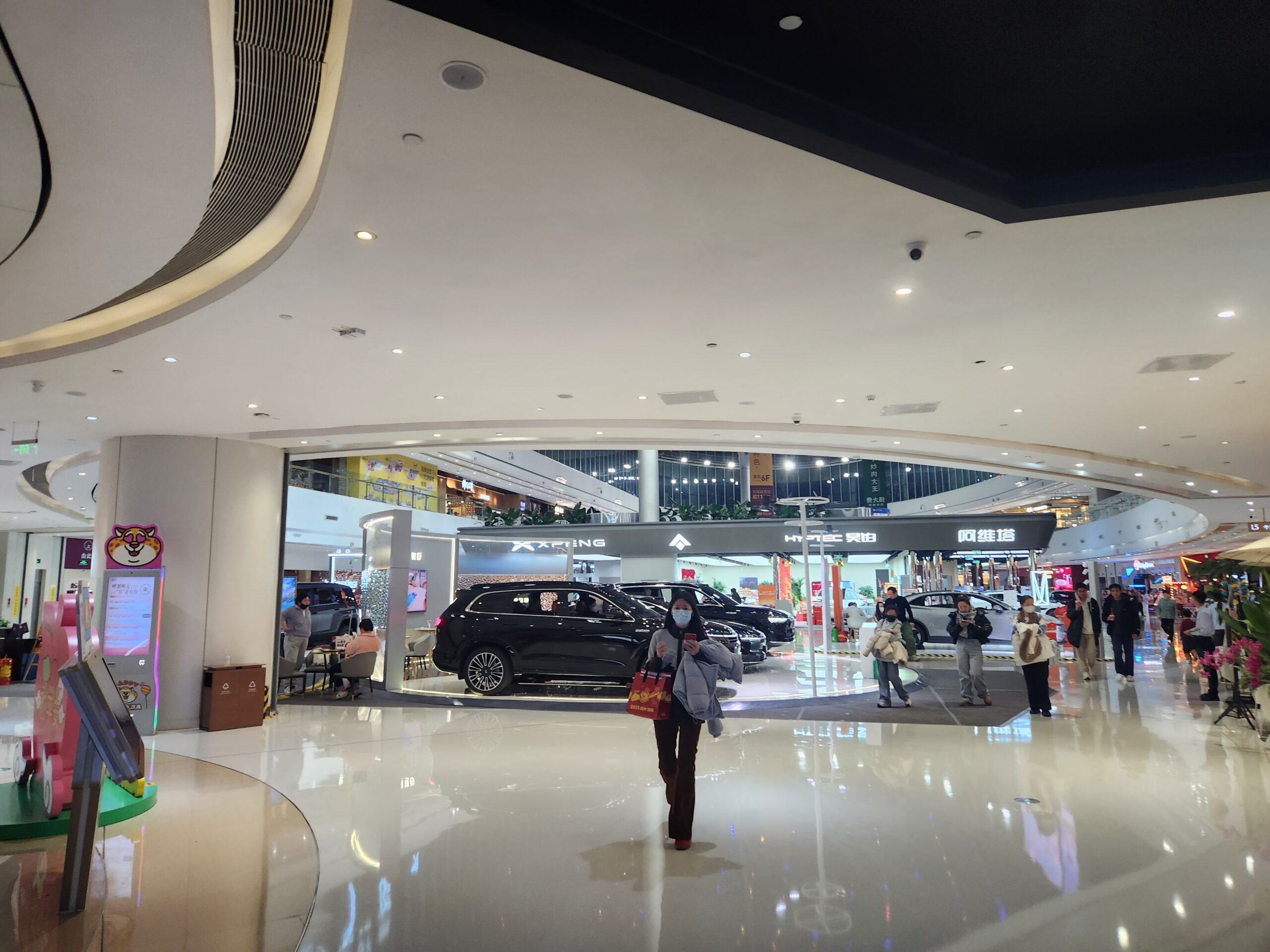
After dinner, I walked around the shopping center a little with Angie and her parents looking taking notice of the many different types of Chinese and foreign elective vehicles being advertised in the mall and buying some local snacks.
On the way back to my hotel I had a conversation with Angie’s parents about the similarities in speech habits shared between the broad Australian English accent and the Beijing Chinese accent. This may require some explanation. For context, the “Chinese” I study which is known as Mandarin is called 普通话 (Putonghua) in Chinese, which directly translates to “standard speak”. This is a dialect of the broad family of Chinese languages which has been derived mainly from the Beijing dialect and selected as the lingua franca for the Chinese people to communicate with each other. However, within China, there are many different accents in each area, one of which you may have heard of being Cantonese (from Guangdong and Hong Kong), which are often not mutually intelligible. Beijing dialect (北京话) is intelligible for Mandarin speakers as it is quite similar, but the speech habits are often lazier using many shortened sentences and words. I have felt a comforting sense of similarity between the spoken habits of the Beijing dialect and the broad Australian accent which I often adopt at home. This is what I was attempting to discuss with Angie’s parents in Mandarin.