
Company Visit at BIPO
After breakfast, we all met in the hotel lobby at 9:15 am to board the bus for our first industry visit. On each bus ride, our guide is constantly sharing many interesting stories and perspectives of the economic situations of Singapore and other countries particularly in other ASEAN countries. I am constantly intellectually stimulated by this, and so far, this trip is providing the different experience of more professional life in a different country I was hoping for.
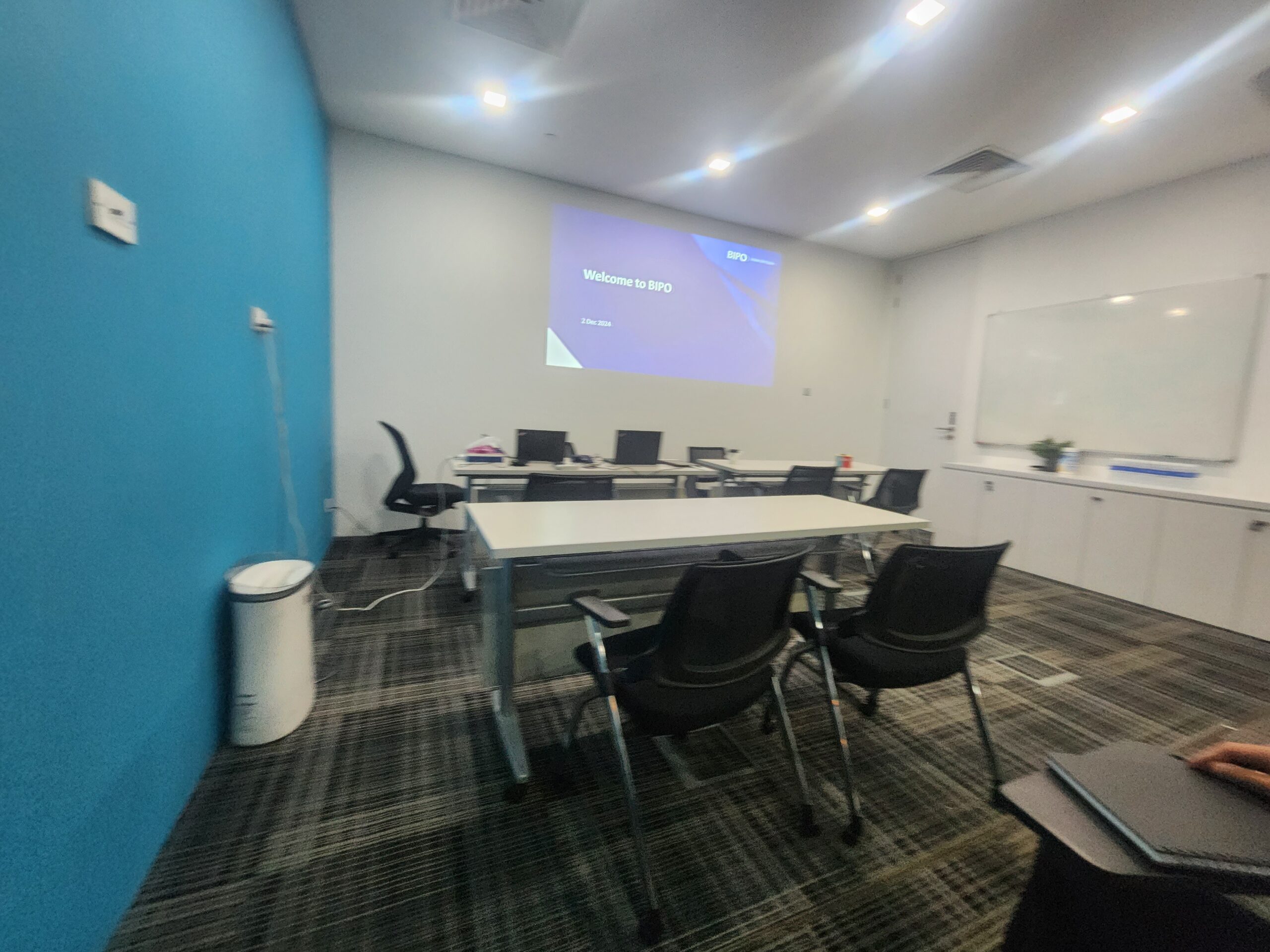
In the company meet at BIPO, the company speakers shared much information about the firm’s position. From my perspective it seemed their key business was in selling HR software to companies across the globe. There were discussions about using AI and linear programming to create rostering software to optimise for certain parameters improving employee satisfaction and employers HR experience. They also discussed about providing PowerBI solutions to help their clients analyse their HR data and make strategic choices based on this. I found the discussions relating to the challenges of how to anonymise data in motion and manage the risk of nations, such as China, preventing data outflow rather interesting given my computer science background having worked in a company which provides such data solutions.
I had some thoughts at the start of the day that I should try engaging more in each of the discussions at the company meetups to make the most of this opportunity. As a way of measuring and keeping myself accountable for this, I will make sure that I ask at least one question relevant to the discussion at each company meetup.
During the discussions at BIPO, the speaker mentioned how their rostering software has helped some hospitals in Singapore provide a better rostering experience to nurses by allowing them to elect for certain days off and then ensuring that employees are given a fair share of days off, whilst maintaining the required workforce implemented as a kind of bidding system. During this discussion, I was thinking about how this bidding system could be turned into an order book where employees could bid for financial incentives on less desirable shifts, especially in how this could have the potential to create more efficiencies (of course everything has two sides) allowing more financial benefits to employees and allowing employers to gather more data on the current equilibrium price employees expect for different shifts. I asked the speaker a few questions on this, but it was not currently supported by the software although this did prompt some interesting comments.
Visit to Singapore Management University
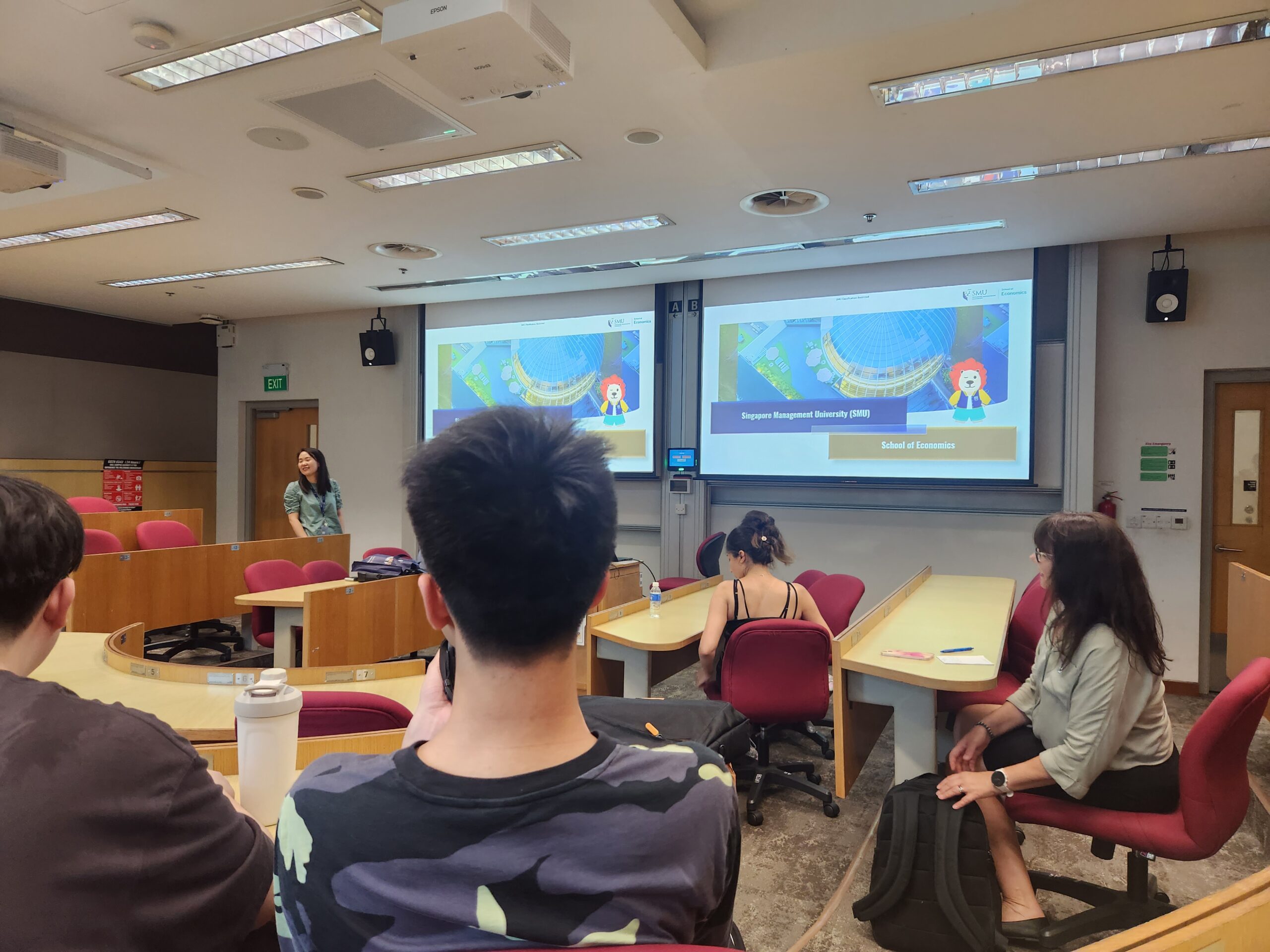
After the BIPO presentation, we went and had some lunch on Orchard Road before taking the bus to Singapore Management University. Here the presenter from the economics faculty gave an interesting presentation about economic situations in ASEAN countries, China, the US, and Australia. There was some interesting discussion about the concept of the Trump index which tracks a country’s risk exposure to Trump policy changes based on different categories. There was also discussion on the different tariffs, their impacts, and how they are circumvented, although I better not spread information here on things I am not too familiar with as I do not want to make any enemies. I did ask a question relating to these tariffs which I am happy to share in conversation. What I will say, is when it comes to economic policy and international relations, the more I learn, the harder I feel it becomes to have specific opinions and the more I feel I do not know anything on the topic. I do, nonetheless, find this topic to be quite interesting.
City Tour
After a very loaded day, we next spent the rest of the afternoon taking a bus tour of the city. We started by driving up to Mount Faber, which I already visited previously with Angie. Instead of looking around again, I decided to strike up a conversation with our guide about labor in Singapore. One thing I noticed is the number of labor workers within Singapore from other countries, like what I observed in Taiwan. I was interested to hear more about this and always wondered if this is something we should be better utilising in Australia. We had quite a deep discussion about this topic. One interesting thing I learned was that with one of the key downsides to importing labor impacting the opportunities for locals, Singapore counters this with a portal where employers first must prove they have exhausted local options before they are permitted to hire workers from overseas. We also chatted about the Singaporean government, and how while it is a democracy, the same party has been in power for quite some time allowing them a large opportunity for trial and error to create effective policy, while still being accountable to the fact that if they do act unfavorably, they could still be voted out.
After leaving Mount Faber, we drove around some nearby public housing, which although technically public can still sell for millions of SGD. We also drove around some of the richer area’s past houses worth upwards of 250 million SGD, and many of the different embassies. One of the most impressive was the Brunei embassy surprisingly, although they are an oil-rich country. There is mention of someone from Brunei owning a large portion of Orchard Road which I cannot imagine the value of.
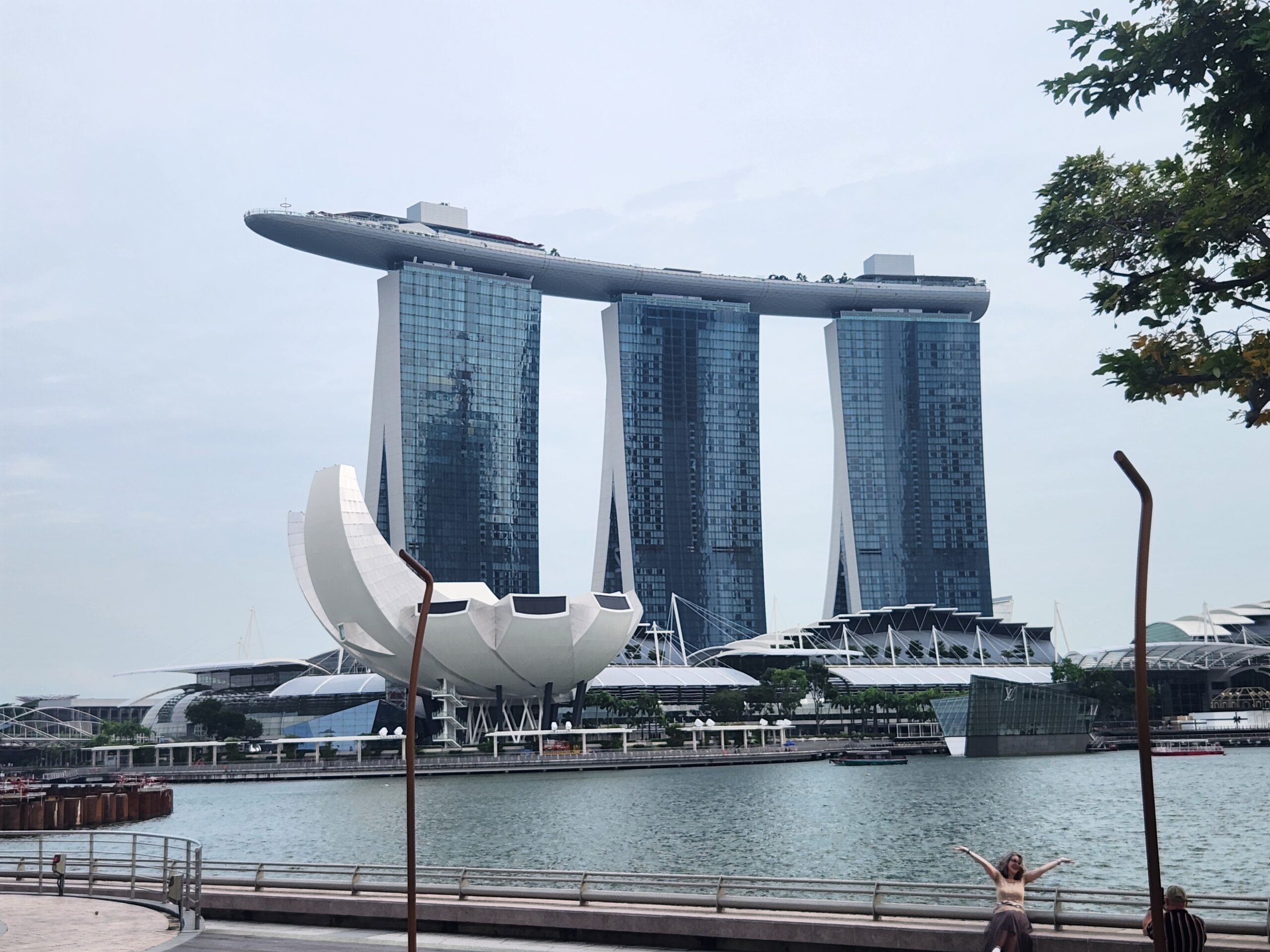
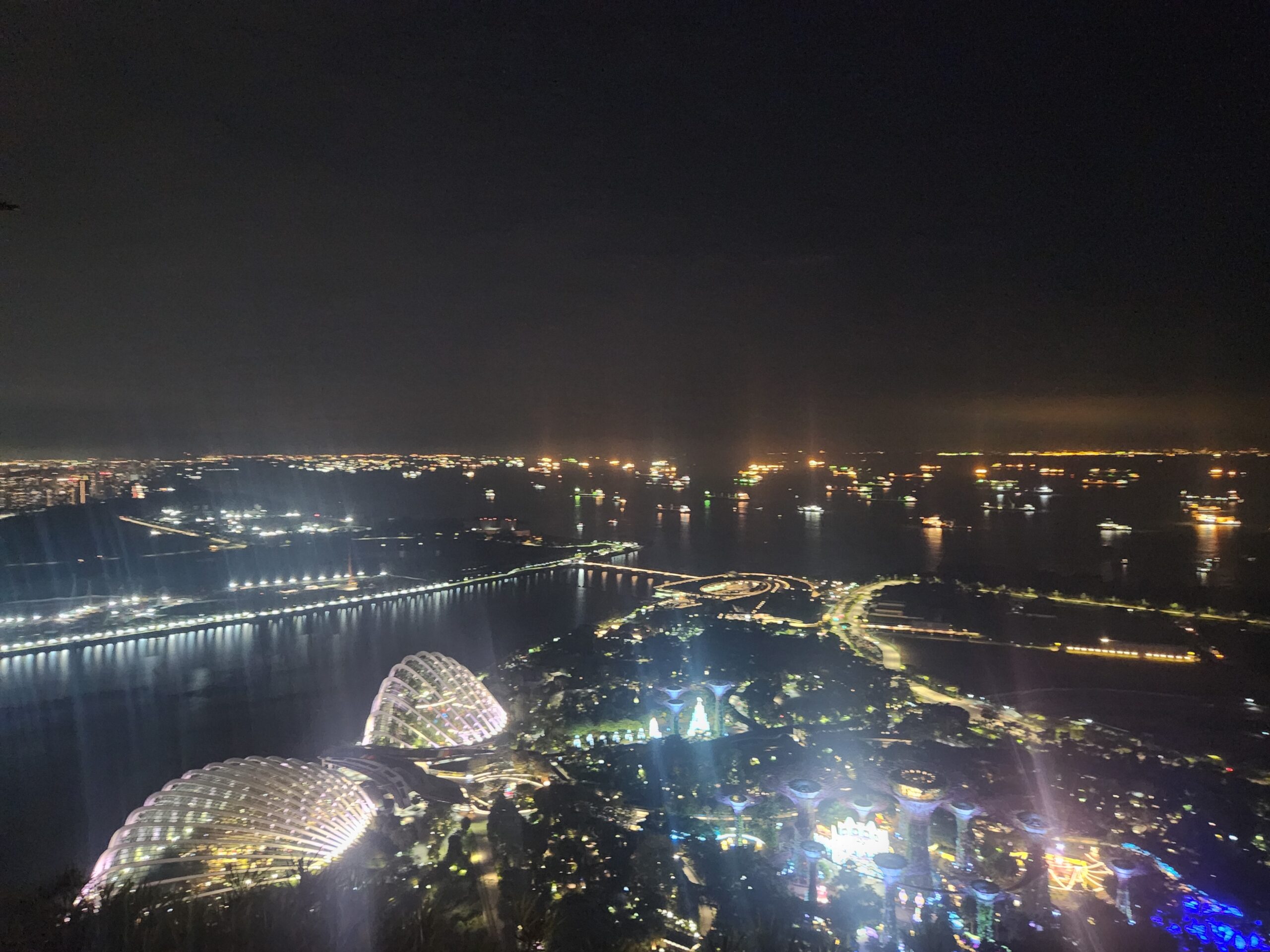
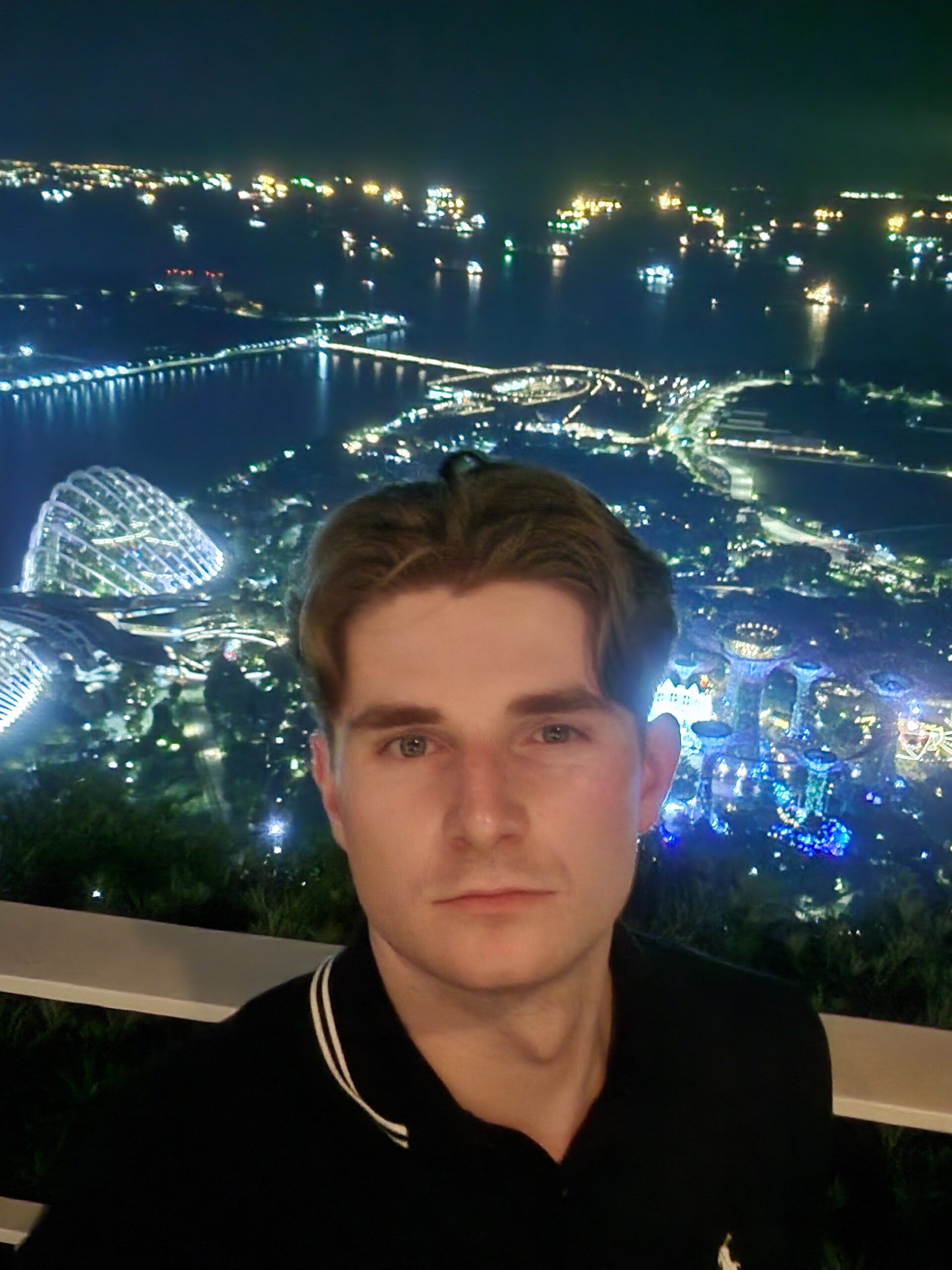
After this drive, we returned to Gardens by the Bay where we were given tickets to visit the bridges across the trees in the gardens. We had some dinner, watched the light show, and walked across the bridges. After this, I and some of the other students visited the bar at the top of the Marina Bay Sands Hotel to take in the incredible views.

I’m envious of your study tour. How I wish that was an option during my early education days.
Yes it has been a great experience. Very difficult to describe in words, but happy to share some more about the experience when I return.